BY ELVIRA JORDAN

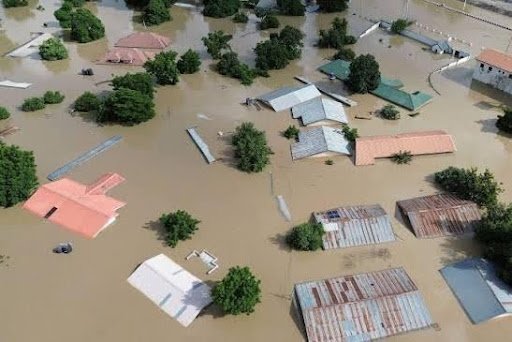
An ecofeminist and environmental advocate, Perfect Johndick, has attributed Nigeria’s recurring flood disasters to a combination of climate change, poor urban planning, inadequate drainage infrastructure, weak environmental governance, and improper waste disposal.
Johndick, who is the co-founder of the Rooted Rising Initiative, made the remarks while speaking on the growing impact of flooding across the country. She noted that the causes of flooding differ from one region to another but are largely driven by human activities and poor government planning.
According to her, indiscriminate waste disposal continues to block drainage channels in many communities, while rapid urban development without proper planning has worsened flooding in major cities.
“In places like Lagos, Abuja and Port Harcourt, the concentration of concrete structures and emissions from generators trap heat, creating what is known as the urban heat island effect,” she explained, adding that the phenomenon contributes to changing local weather patterns and intensifies flooding risks.
Johndick said climate change has become a major factor behind increasingly severe flood events, stressing that activities such as gas flaring and continued fossil fuel extraction contribute significantly to global warming.
She explained that excessive greenhouse gas emissions trap heat in the atmosphere, resulting in more extreme weather conditions, including heavier rainfall that overwhelms existing drainage systems and increases the likelihood of devastating floods.
Commenting on the government’s response, the environmental advocate criticized authorities for focusing more on emergency relief than on addressing the underlying causes of flooding.
She argued that agencies responsible for disaster management, including the National Emergency Management Agency (NEMA), have not demonstrated sufficient preparedness before flood incidents occur.
“Flood response should go beyond distributing relief materials after disasters. There should be stronger investment in prevention, preparedness and long-term solutions,” she said.
Johndick also urged Nigerians to play a more active role in reducing flood risks by adopting proper waste management practices, advocating for improved drainage infrastructure, and demanding policies that reduce dependence on fossil fuels.
She further called on governments at all levels to strengthen environmental governance by appointing qualified professionals to lead environmental agencies and ensuring that public officials are held accountable for protecting the environment.
According to her, Nigeria must also begin putting practical measures in place to support a just energy transition, arguing that moving away from fossil fuels will not only help address climate change but also reduce the environmental conditions that contribute to recurring floods.