By Sandra Kenneth
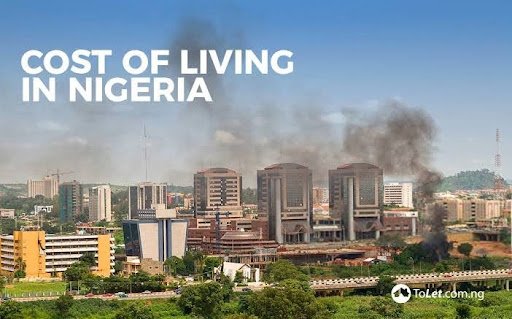
Residents of Rivers State are raising alarm over skyrocketing accommodation costs, a trend they say is spreading across Nigeria and pushing many families into abject poverty and homelessness.
Landlords, Agents, and Rent Caps
Madam Jane, a landlady in Port Harcourt, said part of the problem is landlords charging the same rent for both old and new buildings.
“There should be a clear price or rent difference between old and new buildings,” she told our reporter.
“The government should stipulate a particular rent cap for both categories.
”She blamed high building material costs for new constructions, but said existing buildings should not see increases. “Urban movement or migration makes accommodation demand very high, which causes an increase. Quality reduces and the price increases,” she added.She also called for an overhaul of rent collection and urged the government to scrap the role of agents in house payments. “But if agents must stay, let landlords pay their percentage, not the tenants,” she said.
Income vs Rent Data
Her call adds to growing pressure on authorities to regulate Nigeria’s housing market as rent continues to outpace income. A recent PiggyVest Savings 2025 report disclosed that nearly 60% of Nigerians earn below ₦100,000 or have no income. Another report stated that only 2.4% of Nigerians earn above ₦200,000 monthly.
‘We Can Barely Commute’
Commuters also expressed concern over rising transport costs, which they linked to persistent fuel price increases.Residents said fares have become too expensive, making it difficult to get to work, markets, and daily activities.
A significant portion of income now goes to transport.
A student said: “What I usually pay for school has increased, and I have to walk a distance before entering transport. This method helps me survive as a student.”
“We can no longer save money, we find it difficult to feed. Survival is so difficult and we never imagined it could have gotten this bad,” commuters said. They appealed to the Federal Government to urgently address fuel costs and ease the burden on Nigerians.