
By Elvira Jordan
An organization under the aegis of Renevlyn Development Initiative (RDI) has called on the National Assembly to expedite the passage of the National Alcohol Control Policy Bill, urging lawmakers to strengthen ongoing efforts by the National Agency for Food and Drug Administration and Control (NAFDAC) to curb alcohol-related harm across the country.
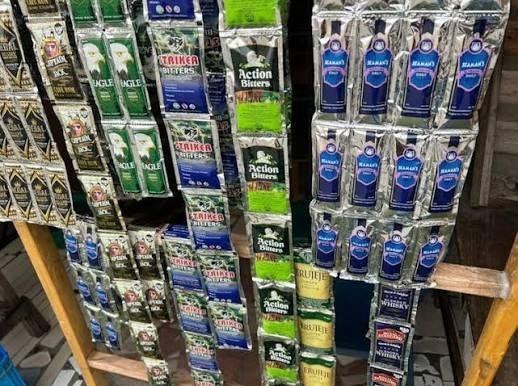
The appeal comes as NAFDAC commenced nationwide enforcement of its ban on the sale of alcoholic beverages packaged in sachets and polyethylene terephthalate (PET) bottles, with enforcement teams deployed across Nigeria’s six geopolitical zones.
The exercise targets markets, motor parks, retail outlets, bars and other distribution channels where officials are identifying, seizing and removing the prohibited products from circulation.
The proposed legislation, titled A Bill for an Act to Provide for the Control, Regulation and Reduction of Alcohol-Related Harm in Nigeria, scaled second reading in the House of Representatives on May 7, 2026. Sponsored by Hon. Oluwatimehin Adelegbe, the bill seeks to regulate the production, marketing and consumption of alcohol, with particular emphasis on protecting minors and other vulnerable groups.
In a statement issued in Lagos, RDI said the National Assembly has a crucial role to play in complementing NAFDAC’s enforcement drive by ensuring the bill is passed before the expiration of the 10th National Assembly.
RDI Executive Director, Philip Jakpor, commended NAFDAC for translating policy into action, describing the enforcement campaign as a significant step toward improving public health.
“By matching words with action, NAFDAC has demonstrated its commitment to ridding the public space of harmful alcohol products, and this would in turn improve public health outcomes, especially among young people that the alcohol industry targets with their products. The National Assembly must no longer delay in playing its role,” Jakpor said.
He further urged the Federal Government to go beyond the current enforcement campaign by fully implementing the World Health Organization’s SAFER technical package, a global strategy designed to reduce alcohol-related harm.
According to Jakpor, the WHO initiative recommends five key interventions, including restricting the availability of alcohol, enforcing drink-driving countermeasures, improving access to treatment and rehabilitation services, banning or restricting alcohol advertising, sponsorship and promotion, and increasing alcohol prices through excise taxes and pricing policies.
Jakpor expressed optimism that sustained enforcement of the sachet alcohol ban would encourage households to redirect spending from alcohol consumption to essential needs such as food, healthcare and children’s education.
“The ball is now in the court of the National Assembly. It must accelerate work on the bill so that the health and economic benefits of reducing underage drinking, youth addiction and the rising health burden associated with alcohol can be achieved within a short time,” he said.
RDI maintained that the passage of the National Alcohol Control Policy Bill would provide the legal framework needed to sustain efforts aimed at reducing alcohol-related harm, particularly among Nigeria’s youth and other vulnerable populations.