By Elvira Jordan
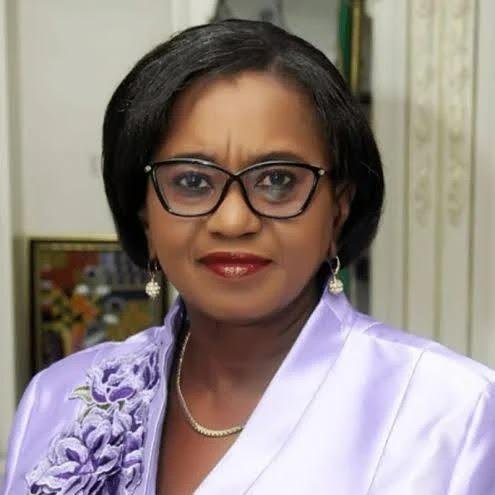
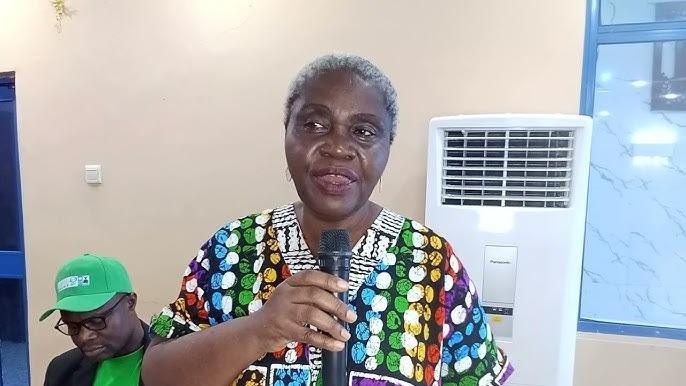
A public affairs analyst, Constance Meju has criticized the Federal Government over the reported planned 80 per cent increase in the fees for the West African Examinations Council (WAEC) and the National Examinations Council (NECO) Senior Secondary School Certificate Examination, describing the decision as insensitive to the economic realities facing millions of Nigerian families.
Reacting to the announcement, Meju accused the Federal Government of failing to prioritize education, arguing that the increase would place an even heavier financial burden on parents already struggling with rising living costs, inflation, and multiple taxes.
She contrasted Nigeria’s education policy with that of some African countries, noting that nations such as Uganda are expanding access to free education up to the university level, while Nigeria appears to be making education increasingly unaffordable.
“It is sad that we have a government that is both inconsistent and inconsiderate. Families across Nigeria are already under immense financial pressure, yet the government continues to borrow and impose more taxes on the people,” she said.
Questioning the government’s spending priorities, Meju wondered why revenues from Nigeria’s oil and solid mineral resources could not be directed towards strengthening the education sector.
“We must ask what Nigerians are truly gaining from the government. Where is the money generated from oil and solid minerals? Why can’t it be invested in education?” she asked.
The analyst further criticized what she described as misplaced national priorities, arguing that while the government continues to fund large infrastructure projects through borrowing, critical sectors such as education remain underfunded.
“A country that can borrow money for coastal highways but cannot adequately fund education has misplaced its priorities. Education is the foundation of our children’s future, and neglecting it is a dangerous path,” she stated.
According to Meju, many households already struggle to pay existing examination fees, making any further increase unjustifiable. She maintained that education up to the secondary school level, including external certificate examinations, should be publicly funded to guarantee equal access for all Nigerian children.
She also raised concerns over alleged irregularities during public examinations, including reports of illegal levies and payments demanded from parents to facilitate examination processes.
“Parents are already burdened by unofficial charges during examinations. Instead of increasing fees, the government should investigate these practices, reform the examination system, and restore public confidence. What the education sector needs now is restructuring, transparency, and accountability—not higher fees,” she added.
Meju called for comprehensive reforms across Nigeria’s education system, particularly in the administration of senior secondary certificate examinations and university admission processes, insisting that improving quality and accessibility should take precedence over imposing additional financial pressure on citizens.
However, The Federal Government, following public outcry, has suspended the planned increase in WAEC and NECO SSCE registration fees. The proposal, which would have raised the fee from ₦27,500 to ₦50,000 for 2027 candidates, was halted following public backlash. The Minister of Educatio, Tunji Alausa, said the ministry has withdrawn the directive to allow for wider consultations with stakeholders.