By Sandra Kenneth
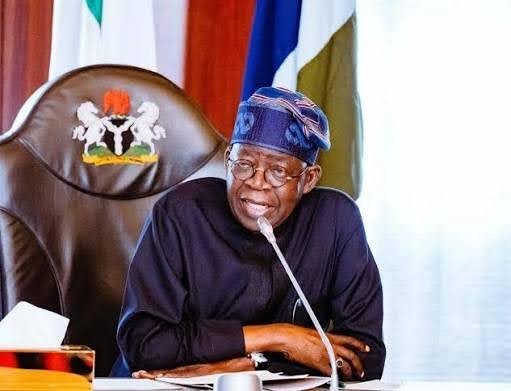
President Bola Tinubu has declined assent to two bills recently passed by the National Assembly, citing significant drafting defects, structural inconsistencies, and constitutional concerns.
The President’s decision was officially communicated to the upper legislative chamber on Thursday through two separate letters read during plenary by Senate President Godswill Akpabio.
The rejected pieces of legislation are the Raw Materials Research and Development Council (Amendment) Bill, 2026, and the Chartered Institute of Purchasing and Supply Management of Nigeria Bill.
In the correspondence, President Tinubu explained that he was withholding his signature in accordance with Section 58(4) of the 1999 Constitution of the Federal Republic of Nigeria (as amended). This constitutional provision empowers the President to decline assent to bills and return them to the National Assembly alongside specific observations for reconsideration.
Detailing his objections to the Raw Materials Research and Development Council (Amendment) Bill, Tinubu noted that the proposed law suffered from structural and drafting deficiencies. Specifically, he pointed out that the bill’s long title failed to align with its core objective of promoting and protecting Nigeria’s raw materials. He advised that the title be revised to explicitly state its focus on supporting local manufacturing and processing industries.
Furthermore, the President flagged inconsistencies in Section 2 of the bill, stating that it erroneously presented the council’s operational responsibilities as legislative objectives. He also criticized the arrangement of the clauses, noting that provisions regarding value addition were awkwardly placed between sections governing the council’s finances and annual accounts.
“These erroneous insertions make the Bill incoherent and difficult to comprehend within the context of the Principal Act. Accordingly, the Bill as currently proposed is disjointed,” the letter read.
Regarding the Chartered Institute of Purchasing and Supply Management of Nigeria Bill, President Tinubu stated that certain provisions attempted to grant the institute powers that exceeded its statutory mandate, necessitating a review by federal lawmakers before it can be signed into law.
The bills have been returned to the National Assembly for correction and legislative reconsideration.