By Elvira Jordan
Community-led health service monitors have raised concerns over the lopsided impact of HIV/AIDS, Tuberculosis (TB) and Malaria on poor and vulnerable populations in Rivers State, citing limited access to healthcare facilities, inadequate information, poverty and low levels of education as key drivers of the disease burden.
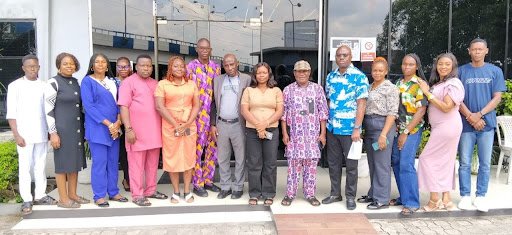
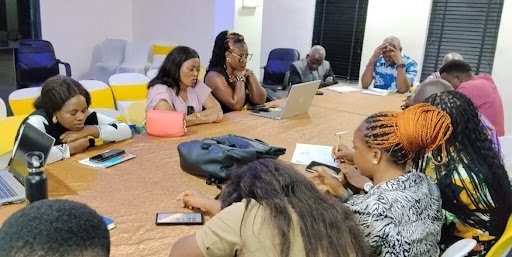
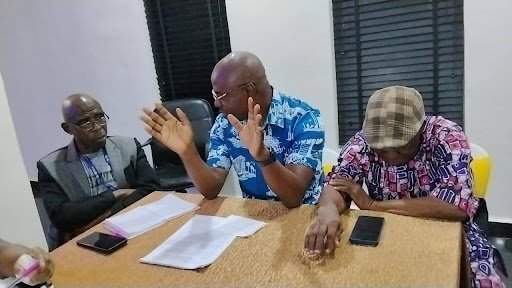
The concerns were highlighted during a media briefing on the Global Fund GC7 Integrated Community-Led Monitoring (I-CLM) Project being implemented by the AIDS, Tuberculosis and Malaria (ATM) Networks in nine communities across Port Harcourt, Obio/Akpor and Ogba/Egbema/Ndoni Local Government Areas of the state.
Speaking at the briefing, the State Coordinator of the TB Network in Rivers State, Fyneface Muzan, said the three diseases continue to thrive among the poorest populations due to systemic inequalities and barriers to healthcare access.
He pointed out that the high out-of-pocket cost of medications contributes significantly to malaria-related deaths among children under five, while tuberculosis patients often struggle to access treatment despite the services being free because of the long distances they must travel to healthcare facilities.
“Many tuberculosis patients travel more than 30 kilometres to access treatment. Although the drugs are provided free of charge, transportation costs and other associated expenses make treatment difficult for many people,” he said.
Muzan noted that the Integrated Community-Led Monitoring project was designed to place communities and civil society organisations at the centre of healthcare delivery by providing oversight of health services, reducing waiting times, addressing drug stock-outs and combating stigma against patients. He further revealed that Nigeria remains one of the countries most affected by the three diseases globally.
“Nigeria ranks first in Africa and sixth globally among countries with a high burden of tuberculosis and TB/HIV co-infection. The country also carries the world’s highest malaria burden and the second-largest HIV/AIDS burden globally,” he stated.
He explained that co-infections of HIV, tuberculosis and malaria often worsen health outcomes and increase vulnerability among already disadvantaged populations.
Muzan stressed that while international support for combating the diseases is important, sustainable solutions must address the underlying issues of poverty and inequality that continue to fuel infections.
Also speaking, the State Programme Manager of the Rivers State Agency for the Control of HIV/AIDS (RIVSACA), Dr. Naaziga Francis, commended the impact of community-led monitoring and called for sustained sensitisation campaigns to increase awareness of available health services.
He urged communities to take advantage of HIV, TB and malaria services offered at Primary Healthcare Centres (PHCs) across the state.
“Community-led monitoring has proven highly impactful and has yielded tangible results. It has strengthened relationships between healthcare providers and community members while creating awareness that treatment services for these diseases are available at nearby Primary Healthcare Centres,” Francis said.
He added that the initiative has also encouraged healthcare workers to provide stigma-free services and brought attention to challenges facing health facilities, including shortages of protective equipment, inadequate waiting areas and insufficient personnel.
According to him, these concerns have been formally reported to the Rivers State Ministry of Health for necessary intervention.
On his part, Programme Officer of the TB Network in Rivers State, Hope Pius, said the project has already recorded notable achievements, including improved access to quality healthcare services in participating Primary Healthcare Centres, strengthened TB and HIV interventions, anti-stigma campaigns, advocacy against sexual and gender-based violence, and increased enrollment in health insurance schemes.
Pius called on government agencies, development partners and civil society organisations to support the expansion of community-led monitoring programmes to all parts of Rivers State.
He also advocated wider health insurance coverage for vulnerable populations, transparent funding of Primary Healthcare Centres and increased health education at the ward level.
Participants at the briefing jointly appealed to the Federal Ministry of Health and Social Welfare and the Federal Ministry of Finance to urgently release funds for the procurement of tuberculosis drugs to prevent the emergence and spread of multidrug-resistant TB.
They further called for increased domestic investment in healthcare, expansion of health insurance schemes and stronger community-based health education initiatives.
The stakeholders concluded that scaling up evidence-based and people-centred interventions such as the Integrated Community-Led Monitoring Project, backed by adequate funding and political commitment, remains critical to strengthening Nigeria’s health system and ending the scourge of HIV/AIDS, tuberculosis and malaria.