By Elvira Jordan
The United States and Iran have exchanged attacks for the first time in about a month, renewing military tensions over the strategic Strait of Hormuz and raising concerns about the future of the prolonged conflict.
The latest escalation began when US forces struck two Iranian rocket launchers on Larak Island in the Strait of Hormuz on Sunday. The US Central Command said the operation targeted Iranian Revolutionary Guard Corps personnel preparing to deploy sea mines that could threaten shipping through the vital waterway.
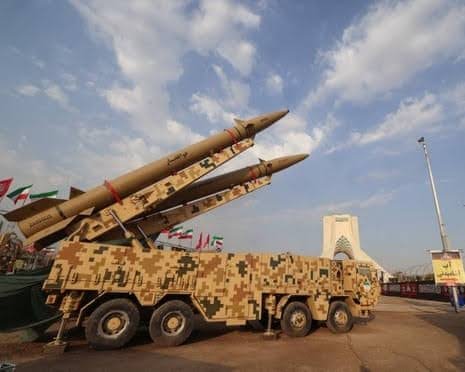
Iran subsequently retaliated by launching ballistic missiles towards US military facilities in Jordan. Jordanian authorities said its air defences intercepted eight missiles that entered the country’s airspace, with no casualties reported.
Iran also reported an attack involving drones against a US-linked military facility in the United Arab Emirates, although Emirati authorities said they had responded to a drone threat and reported no casualties or significant damage.
Iranian authorities said the US strikes on Larak Island caused casualties among Iranian personnel and civilians, although no specific figures were immediately provided. Tehran condemned the operation and said it would respond to further attacks.
The exchange marks the first direct US-Iran military confrontation since late July, following weeks of reduced hostilities. The conflict, which began in February, has continued despite diplomatic efforts and a previous ceasefire arrangement.
The Strait of Hormuz remains at the centre of the confrontation because it is a critical route for global oil shipments. Disruptions in the waterway have already affected energy markets, with Brent crude rising above $90 a barrel after the latest attacks.
The renewed fighting comes as the administration of US President Donald Trump has increasingly relied on economic pressure and sanctions against Tehran while maintaining its readiness to use military force.
Iranian President Masoud Pezeshkian said Monday that Tehran was not seeking war but would respond to further aggression.
The latest exchange has again highlighted the fragility of efforts to end the conflict and the continuing risks to shipping and energy supplies in the strategically important Gulf region.