By Samuel Olusegun Precious
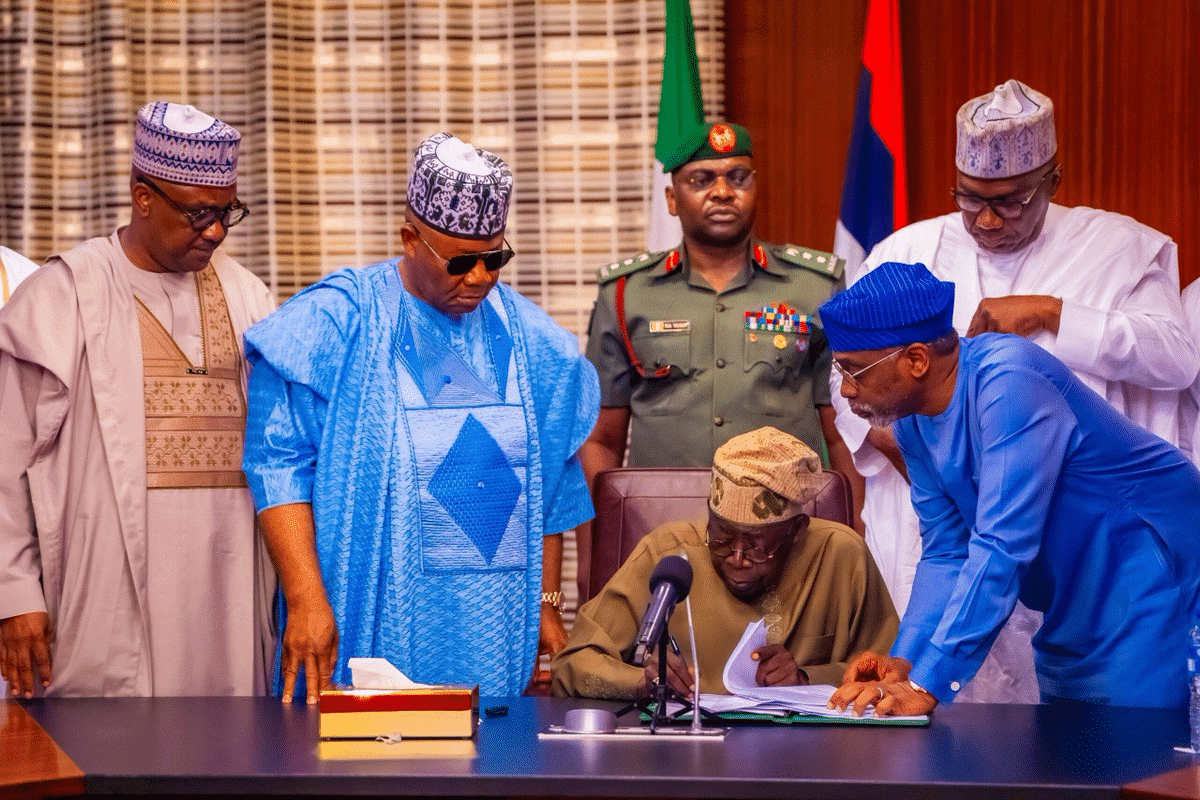
In a move to consolidate its economic policies, the Federal Government is considering legislation that will make it difficult for future administrations to reverse the economic reforms introduced by President Bola Tinubu, including taxation, tariffs and fuel subsidy removal.
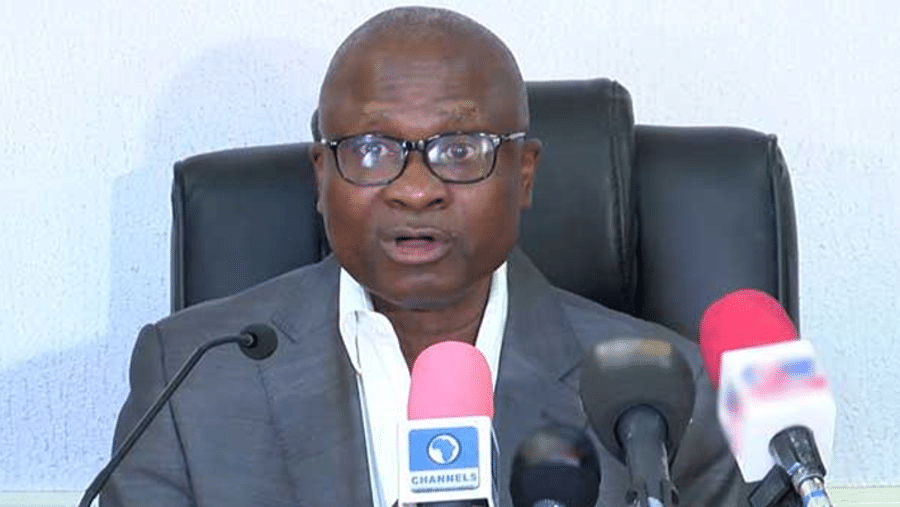
The Minister of Finance and Coordinating Minister of the Economy, Mr. Taiwo Oyedele, disclosed this on Monday at the 32nd Nigerian Economic Summit (NES #32) in Abuja with the theme “Growth that Works: Delivering Jobs, Productivity and Shared Prosperity.”
Oyedele, at the event, said the government was developing a Nigerian Economic Policy Framework aimed at institutionalising policy consistency and stopping abrupt reversals that discourage investment.
“We now need to lock it in, in institutions, in law, as well as policy framework, so that it can be enduring,” the Minister said.
What The Proposed Law Will Cover
According to him, the framework will provide binding principles for: Taxation and tax administration,Tariffs and trade policy, Subsidies (fuel, electricity, etc) Investment and industrial development.
The idea, he explained, is to prevent future governments from returning to practices considered harmful to the economy simply for short-term political gain.
“Any ideas of returning [petrol subsidy], we should forget about it,” Oyedele stated, insisting the government must focus on raising incomes, not artificially lowering prices.
Not Yet A Law
The Minister clarified that the framework is still a consultation draft and has not been approved as government policy. The government is seeking public input on whether it should be enacted into law and how to strengthen institutions.
Key proposals include:Mandatory Policy Impact Assessment before any major economic intervention – officials must state the problem, evidence, beneficiaries and who bears the cost. Annual National Economic Scorecard tracking real wages, productive employment and poverty. Making understanding of the framework part of screening for ministerial and other political appointments, with copies attached to appointment letters.
Oyedele described policy uncertainty as “an invisible tax on enterprise that generates no revenue for the government; it only destroys value and discourages investment.”
The proposal comes amid debate over Tinubu’s reforms – fuel subsidy removal in 2023, FX unification and new tax laws – which have stabilised macro indicators but worsened cost of living.
If passed into law, the framework would be the first of its kind in Nigeria’s history to legally bind future governments on economic direction.