By Sandra Kenneth
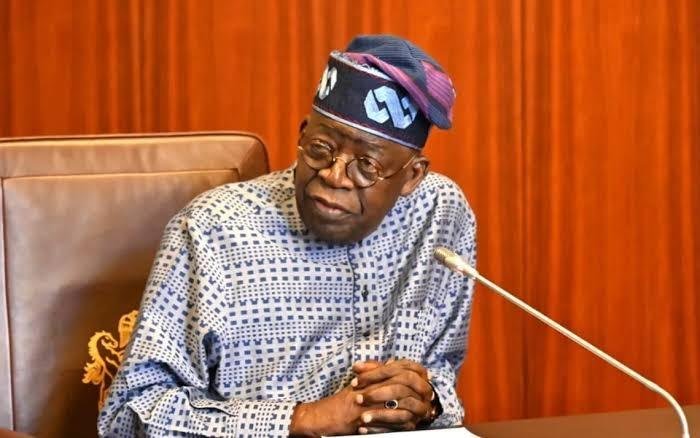
President Bola Tinubu on Sunday welcomed the World Bank’s latest Nigeria Development Update, stating that its findings—including a stabilization of the nation’s poverty rate for the first time since 2019—confirm that his administration’s economic policies are taking effect.
In a statement issued by his Special Adviser on Information and Strategy, Bayo Onanuga, the President highlighted the October 2026 report, titled ‘Beyond the Federal Purse: How Higher Revenues Reshaped State Priorities,’ as evidence that recent fiscal adjustments are positioning the economy for long-term growth.
Key Macroeconomic Indicators
According to the World Bank report, Nigeria’s economy expanded by 4.2 per cent in the first half of 2026, up from 3.9 per cent in the corresponding period of 2025, despite broader global uncertainties linked to conflict in the Middle East. The bank projects growth to average at least 4.4 per cent annually between 2026 and 2028.
On inflation, the report noted a significant drop from 27.6 per cent in January 2025 to 15.2 per cent by December 2025. Although higher global fuel prices have recently tempered the rate of decline, inflation is expected to ease further to around 12 per cent by 2028.
External financial metrics also showed improvement:
Current Account Surplus: Increased to $12 billion (7.0 per cent of GDP) in H1 2026, up from $8.6 billion a year prior.
Gross External Reserves: Rose from $45.5 billion at year-end 2025 to $53.8 billion by the end of August 2026.
Public Debt: Nigeria’s overall public debt ratio is projected to decline from 40.0 per cent of GDP in 2025 to 38.1 per cent in 2026, with 21 states reducing their individual debt-to-GDP ratios between 2021 and 2025.
Impact on State Finances and Infrastructure
The World Bank attributed the surge in public revenues to policy changes instituted since 2023, which boosted real federation revenues by 69 per cent between 2023 and 2025, with state governments emerging as primary beneficiaries.
In response to higher revenues:
Capital Expenditure: Real capital spending by states expanded by 151 per cent, directed mostly toward transport infrastructure, energy, agriculture, and housing.
Fiscal Realignment: 29 out of 33 analyzed states shifted budgetary allocations toward economic infrastructure, while real social spending per capita increased in nearly all states.
Internal Revenues: 31 out of 35 states recorded real growth in internally generated revenue (IGR).
President Reaffirms Reform Commitment
President Tinubu noted that tough fiscal choices—such as removing the petrol subsidy, unifying the foreign exchange market, and enforcing stricter financial discipline—were necessary to create fiscal room for development across all levels of government.
“The dividends of reform are becoming visible,” Tinubu stated. “But more work remains to ensure they fully translate into better living standards for every household, starting with lower food prices and decent jobs for our young people.”
The President pledged to expand direct cash transfers—which he noted have reached over 10 million households—while accelerating the Compressed Natural Gas (CNG) rollout, strengthening agricultural output, and broadening access to healthcare and education.
Urging state governors to exercise continued fiscal prudence with their increased revenue allocations, Tinubu expressed appreciation to state executive leadership and the national Economic Management Team, led by the Minister of Finance and Coordinating Minister of the Economy. He assured citizens that the administration remains focused on driving inclusive growth under its “Renewed Hope Agenda 2.0.”