By Sandra Kenneth
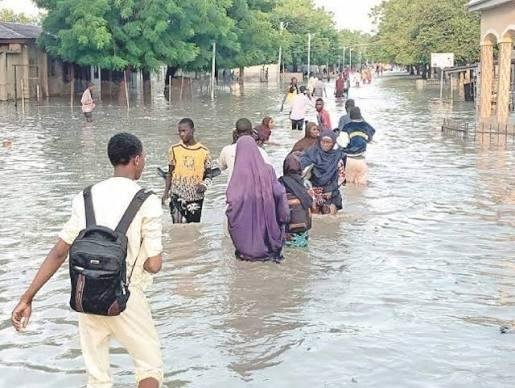
As widespread flooding continues to submerge homes and disrupt businesses across Rivers State, healthcare officials have issued a stern public safety warning, advising residents to avoid wading through or coming into direct contact with floodwaters.
The warning follows days of persistent rainfall that has forced thousands of citizens to trek through heavily contaminated water to access their properties or escape submerged neighborhoods.
Toxic Mix, Not Just Rainwater
Speaking in an exclusive interview with Exceed FM, Dr. Ohaka Justice, the Assistant to the Executive Secretary of the Rivers State Primary Health Care Management Board (RSPHCMB), clarified that floodwater poses severe health risks far beyond typical rainwater.
“Floodwater is not merely rainwater,” Dr. Ohaka warned. “As it flows, it mixes with open sewage, human and animal waste, uncollected refuse, and various chemical contaminants, directly exposing anyone who touches it to dangerous infections.”
Imminent Epidemic Threats
The health expert outlined a series of severe medical complications tied to the current environmental crisis. According to Dr. Ohaka, direct or indirect exposure to the toxic deluge significantly spikes the transmission rates of lethal waterborne diseases, including:
• Gastrointestinal Illnesses: Cholera, typhoid fever, dysentery, and diarrhoeal infections.
• Systemic & Viral Infections: Hepatitis A and leptospirosis.
• Dermatological Health: Prolonged contact is highly likely to trigger severe skin infections and leave open wounds prone to aggressive contamination.
Furthermore, Dr. Ohaka pointed out that the massive volumes of stagnant water left behind as the floods slowly recede create optimal breeding sanctuaries for vectors, dramatically escalating malaria risks across affected local government areas.
Early Symptoms to Watch For
The RSPHCMB representative urged individuals who have already been exposed to the water to actively monitor their health. He identified key red flags that require immediate medical attention:
• Frequent watery stooling and acute vomiting.
• Severe abdominal pain and high fever.
• General body weakness and signs of rapid fluid loss or dehydration.
“Do not wait for your condition to become severe before seeking professional help,” Dr. Ohaka cautioned. “Early diagnosis and treatment save lives.”
Strict Sanitation Protocols Mandated
To prevent a sweeping health crisis, the Board has advised families and community leaders to enforce strict hygiene measures. Residents are urged to ensure all drinking water is thoroughly boiled or treated, hands are washed thoroughly with soap, and all food items are cooked extensively before consumption.
Dr. Ohaka concluded with a strong appeal for proper waste disposal and rigorous neighborhood sanitation, noting that community-level discipline is the state’s primary line of defense against a post-flood epidemic.