
By Sandra Kenneth
Bilateral trade volume between Nigeria and Indonesia surged to approximately $1.98 billion between January and July 2026, driven by a steady rise in non-oil and gas exports.
The figures were made public by the Indonesian Ambassador to Nigeria, Bambang Suharto, while speaking at a business forum on trade and investment cooperation held on the sidelines of the 41st Trade Expo Indonesia 2026 at the Indonesia Convention Exhibition, BSD City.
According to Ambassador Suharto, Indonesia’s non-oil and gas exports to Nigeria grew by 8.04 per cent during the period to reach $356.8 million. He added that bilateral engagements at the current expo yielded four distinct trade commitments valued at $10.37 million, drawing 109 in-person visitors from Nigeria.
While describing the milestones as an encouraging indicator of commercial growth, Suharto urged private sector actors from both nations to transition from mere trade transactions into long-term investments, local production, and robust distribution partnerships.
Highlighting priority sectors such as food and beverages, halal products, pharmaceuticals, medical devices, and manufacturing, the ambassador noted that opportunities extend across the broader West African region, including Niger and Burkina Faso. He emphasized that trust, coupled with a deep understanding of local regulations, logistics, and payment structures, remains vital for enduring commercial relationships.
Echoing similar sentiments, the President of the Nigerian-Indonesian Chamber of Commerce and Industry, Ishmael Balogun, called for proactive measures to convert forum dialogues into concrete joint ventures. Pointing to shared economic pillars like large populations and rich natural resources, Balogun identified agriculture, renewable energy, digital services, and infrastructure as ripe fields for collaboration. He stressed the necessity of reliable market intelligence, transparent regulations, and streamlined payment arrangements to facilitate cross-border business.
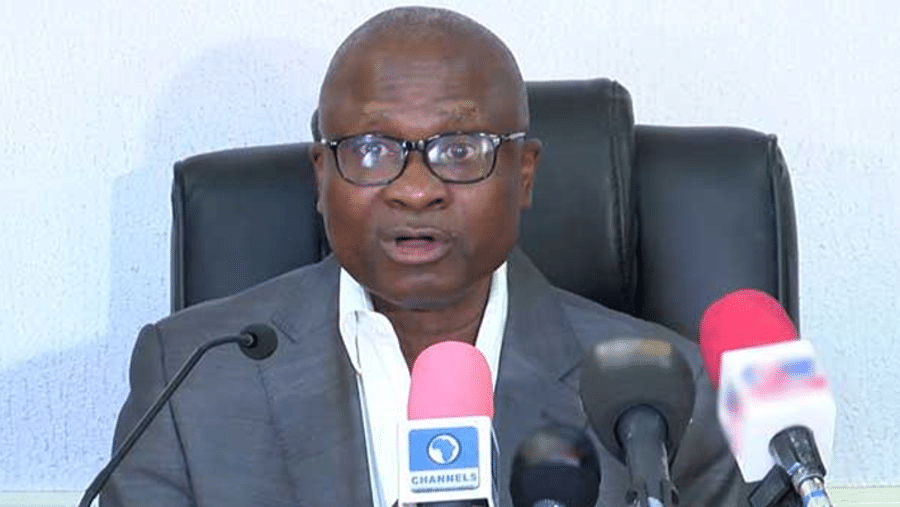
Presenting regional investment prospects, the Managing Director and Chief Executive Officer of the South-South Development Commission, Usoro Akpabio, invited Indonesian enterprises to set up localized production plants rather than limit their scope to exporting finished goods to Nigeria.
Akpabio pitched the South-South region’s fertile agricultural land, aquatic endowments, and human capital, calling for technological partnerships in mechanized farming, improved crop seedlings, and bio-industrial development.
“Africa must move beyond exporting raw materials to processing, manufacturing and creating greater value within our economies,” Akpabio asserted, urging investors to leverage Indonesia’s expertise in oil palm cultivation and renewable energy.
Both trade missions concluded that while government institutions can open doors and build diplomatic bridges, sustained economic development ultimately rests on the private sector’s willingness to build lasting industrial roots within the local economy.