
By Samuel Olusegun Precious
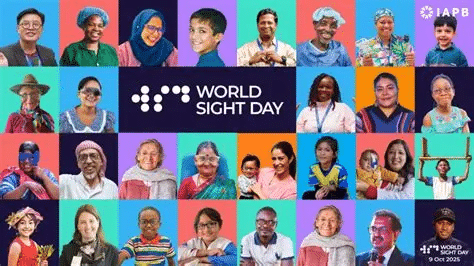
Eye care experts across Nigeria and globally have called for improved access to eye care services as the world marks World Sight Day 2026 today, Thursday October 8.
This year’s theme is “Love Your Eyes” with a focus on personal stories and community action to make eye health a global priority.
In Nigeria, the Nigerian Optometric Association, NOA, Cross River State Chapter, raised alarm over growing quackery in eye care delivery, especially in rural communities. Chairperson, Dr. Ogechi Cecilia Chukwu, during an advocacy visit to the NUJ in Calabar, said when qualified services are unavailable, people become vulnerable to unqualified persons, describing it as a serious public health issue.
She said the 2026 campaign will focus on teachers who are often first to notice when a child struggles to see the board.
In Plateau State, Commissioner for Health, Dr. Nicholas Baamlong, said the government is strengthening eye care and integrating it into the broader health agenda, with free screening and cataract surgeries for 100 beneficiaries.
Globally, the World Health Organization Regional Director for Africa, Dr. Mohamed Janabi, called for accelerated action, noting that uncorrected refractive errors and cataracts remain leading causes of vision loss in Africa.
WHO data shows only 30% of people needing spectacles in Africa receive correction, while effective cataract surgery coverage is 24%.WHO is pushing its SPECS 2030 initiative in 9 African countries including Nigeria’s neighbours – The Gambia, Kenya, Liberia, Malawi, Mauritania, Mozambique, Rwanda, South Africa and Zambia – to close the gap.
International charity Sightsavers says Nigeria could unlock $2.45 billion in economic benefits by 2030 through increased investment in eye health, noting over 24.2 million Nigerians lived with vision impairment in 2020.
Experts advise regular eye checks, 20-20-20 rule for screen breaks, wearing sunglasses, healthy diet, and avoiding patronage of quacks.
World Sight Day is observed every second Thursday of October, led by the International Agency for the Prevention of Blindness, IAPB.