
By Elvira Jordan
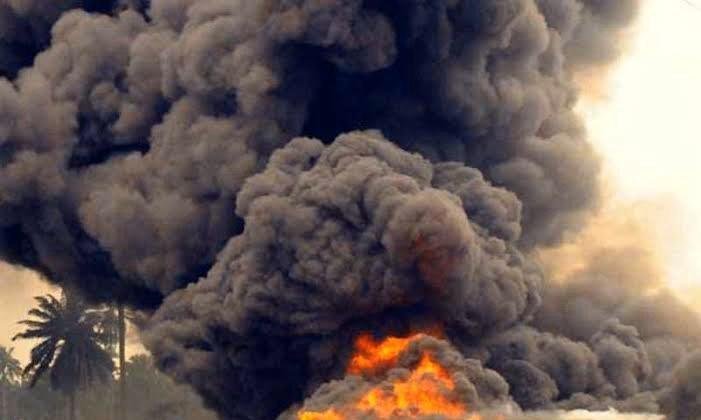
A community development expert, Erabanabari Theophilus, has expressed concern over the repeated use of Kporghor Community in Tai Local Government Area of Rivers State as a site for the disposal of expired industrial explosives, warning that the practice could worsen the area’s already fragile environmental condition.
In a statement titled “Has Ogoniland Become a Dumping Ground for the Oil Industry’s Expired Explosives?”, Erabanabari questioned the continued selection of the Ogoni community for open-air demolition exercises, noting that it was the second such operation conducted there within two years.
According to her, the repeated use of Kporghor for emergency detonations raises concerns about whether Ogoniland is gradually becoming a preferred disposal site for hazardous industrial materials generated by the oil and gas sector.
Erabanabari argued that the disposal process is often described as an emergency because oilfield servicing companies retain commercial explosives until they exceed their safe shelf life, making immediate destruction necessary to prevent accidental explosions or chemical leakages.
She however, maintained that the expiration of such materials is predictable and should not be treated as an unforeseen crisis.
“Oilfield companies know the manufacturing dates and lifespan of these explosives. Their expiration is entirely foreseeable, giving operators enough time to adopt environmentally safe disposal methods rather than resorting to hurried open-air detonations,” he said.
The environmental advocate also alleged that once expired explosives are classified as unstable security risks, authorities are able to invoke emergency protocols that sidestep standard environmental procedures.
She claimed that no community-approved Environmental Impact Assessment (EIA) was conducted before the recent demolition exercise in Kporghor to evaluate the possible effects of toxic emissions, chemical fallout and contamination of air and water resources.
Erabanabari warned that repeated detonations could have far-reaching environmental consequences, including biodiversity loss, structural damage to nearby buildings, soil degradation, water pollution and deterioration of air quality.
She further noted that the concerns are compounded by the community’s existing environmental challenges.
Citing a 2023 study on the effects of oil spills on aquatic life in Kporghor, she said the area had already suffered severe ecological damage resulting from prolonged crude oil pollution, including contaminated water sources, destruction of marine life, loss of livelihoods and increased health risks for residents.
According to her, subjecting the same community to repeated explosive demolition exercises risks aggravating an already critical environmental situation.
Erabanabari called on the Federal Government to reform Nigeria’s hazardous industrial waste management system by adopting safer disposal technologies and strengthening environmental regulations.
Among his recommendations are the construction of enclosed detonation facilities to contain toxic emissions, mandatory chemical neutralisation of hazardous materials before disposal, relocation of explosive destruction to isolated government-controlled testing sites, and a ban on open-air detonations near inhabited communities.
She also urged regulators to require independent Environmental Impact Assessments and continuous environmental monitoring before approving hazardous waste disposal operations.
In addition, she called on companies handling industrial explosives to improve inventory management through first-in, first-out storage systems, establish manufacturer take-back programmes for expired materials, relocate explosive storage facilities away from residential areas and invest in environmentally friendly technologies that minimise chemical pollution.
Erabanabari stressed that protecting communities from hazardous industrial activities is the responsibility of the government, urging authorities to prohibit the open-air destruction of expired explosives in populated areas and ensure that environmental and public health considerations remain a priority.
She concluded that stronger regulatory oversight and safer waste disposal practices are necessary to protect the lives, livelihoods and environment of communities in the Niger Delta.