By Olusegun Samuel Precious
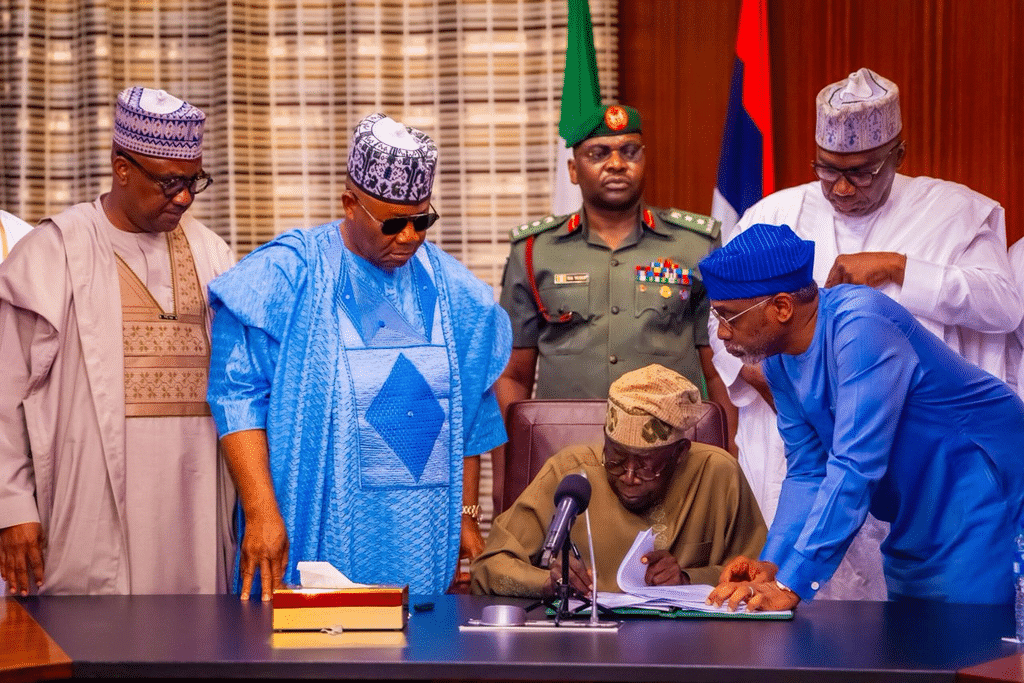
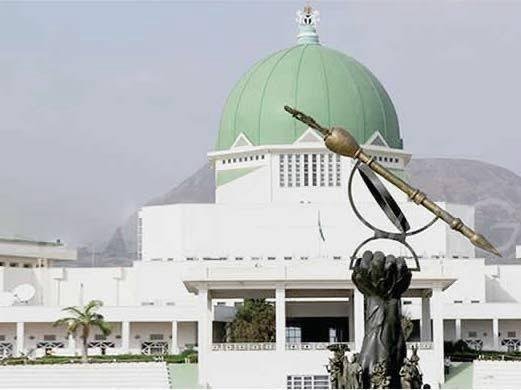
The National Assembly has transmitted the Constitution of the Federal Republic of Nigeria, 1999 (Sixth Alteration) Bill, 2026, to the 36 State Houses of Assembly for consideration and approval, advancing one of the most significant constitutional review exercises in recent years.
Clerk to the National Assembly, Kamoru Ogunlana, confirmed the transmission in a statement issued on Wednesday, September 16, 2026. Acting on a directive from the leadership of the National Assembly, the Clerk forwarded the bill pursuant to Section 9 of the 1999 Constitution (as amended).
“The National Assembly has commenced the next stage of the constitutional alteration process with the transmission of the Constitution of the Federal Republic of Nigeria, 1999 (Sixth Alteration) Bill, 2026 to the Houses of Assembly of the 36 States of the Federation for their consideration and approval,” Ogunlana stated.
He added that the transmission occurred “in accordance with Section 9 of the Constitution of the Federal Republic of Nigeria, 1999 (as amended) today 16th September, 2026.”
24 STATES REQUIRED
Section 9 requires that a bill altering the Constitution shall not be passed unless it is approved by resolution of not less than two-thirds of the Houses of Assembly of the 36 states — meaning at least 24 state legislatures. Once those resolutions are received, the National Assembly can proceed with the remaining constitutional steps before presidential assent.
The Clerk requested that the state Houses of Assembly consider the bill in line with their respective legislative procedures and communicate their resolutions to the National Assembly.
Although the Constitution does not prescribe a specific timeframe, the National Assembly has set an administrative expectation of 30 days from receipt to encourage an orderly process. Officials stressed that this is not a constitutional deadline.
12 THEMATIC AREAS
The Sixth Alteration focuses on 12 thematic areas:
1. Electoral reforms
2. Judicial reforms
3. Security and policing
4. Local government administration
5. Inclusive governance and citizenship
6. The legislature
7. Devolution of powers
8. Human rights
9. Fiscal reforms
10. Strengthening of institutions
11. Traditional institutions
12. Creation of states and local governments
Among the high-profile proposals is the framework for state police. Earlier this year the Senate passed a bill establishing a dual system of federal and state police forces; the House of Representatives also advanced related measures.
The package includes provisions aimed at creating independent state police services alongside the federal force, with national standards to be set by the National Assembly.
Other elements cover independent candidacy, reforms to State Independent Electoral Commissions (SIECs), additional seats for women in legislatures as a temporary special measure, local government autonomy, judicial independence and funding, and fiscal standardisation such as a clearer January–December budget cycle.
The transmission marks the formal shift of the process from federal to state legislatures. Previous constitution reviews have often stalled at this stage, as state assemblies hold effective veto power through the two-thirds requirement.
Upon receipt of the state resolutions, the National Assembly will take the next constitutionally required steps. The outcome will determine whether proposals addressing long-standing issues of security decentralisation, electoral integrity, gender representation, and institutional autonomy advance to become law.
The development comes after months of committee work, zonal hearings, retreats, and prioritisation of dozens of bills from a larger pool that passed second reading.