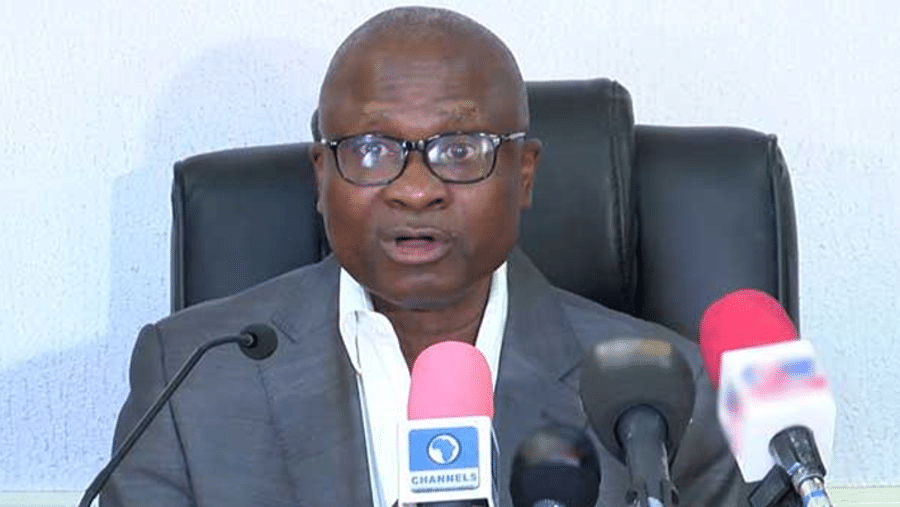

Panic has gripped Nigerians, especially those in the Federal Capital Territory, after the Federal Government confirmed an imported case of Ebola Virus Disease in Abuja, the first in Nigeria since the outbreak in 2014.
The Minister of Health and Social Welfare, Prof. Ali Pate, disclosed on Tuesday, October 20, 2026, in Abuja, that the patient is a woman who recently arrived in Nigeria on an international flight from Uganda.
Prof Pate confirmed that the woman developed symptoms on October 7, four days after arriving in the country, and was admitted to a private hospital in Abuja on October 11 where she was managed for several days before her condition worsened.
Laboratory tests on her confirmed the infection with the Bundibugyo strain of Ebola on Monday, October 19, 2026.
“The patient is currently in isolation and receiving medical care,” Pate said.
44 Contacts Under Surveillance
The Federal Ministry of Health said contact tracing has commenced immediately with 44 close contacts already identified and are being monitored. Those under surveillance include healthcare workers, patients, caregivers and fellow passengers who may have had contact with the patient during her travel.
The minister urged anyone contacted by public health teams to cooperate fully and comply with public health advice.
Where Was She Infected?
Investigations are ongoing to determine the source of infection. According to the Ugandan Ministry of Health, the woman had travelled on business to the Eastern Democratic Republic of Congo (DRC), then transited through Uganda before flying to Nigeria. Uganda insisted she showed no symptoms while in the country.
“Travel through Uganda does not establish that infection occurred here. The location of exposure remains under investigation,” Uganda said, adding that it currently has no active Ebola case.
Africa’s Worst Outbreak Spreading
Nigeria is the fifth country to detect the virus since the outbreak was declared in the DRC on May 15, 2026. Kenya confirmed its first case on October 6 and now has nine cases.
According to the Africa CDC, the DRC outbreak has killed over 4,381 people out of more than 9,000 confirmed cases, with mortality approaching 50%.
“This Ebola Bundibugyo outbreak has already become the most geographically widespread Ebola outbreak in history,” said Africa CDC DG, Dr Jean Kaseya, who appealed for urgent international support.
The Nigeria Centre for Disease Control and Prevention (NCDC) has activated its Incident Management System, while WHO and partners are supporting infection prevention, contact tracing and supply of personal protective equipment.Nigerians have been advised to remain calm but vigilant and report any suspected symptoms to the nearest health facility.