
By Elvira Jordan
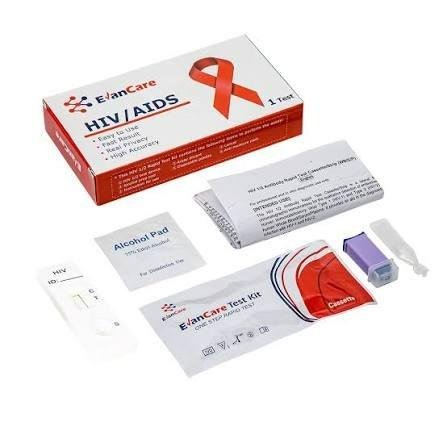
A shortage of confirmatory HIV test kits at four primary healthcare centres in Rivers State, alongside gaps in patient records and referral tracking, has raised concerns over timely diagnosis and access to treatment.
The concerns were raised by the State Advocacy Team during an advocacy visit to the Institute of Human Virology Nigeria, IHVN, in Port Harcourt, following findings from community-led monitoring of HIV services.
The team, led by State Programme Officer Hope Pius, identified the unavailability of confirmatory HIV test kits at PHC Erema, PHC Okposi, PHC Oboburu and PHC Akabuka.
Pius warned that the shortage could delay the confirmation of clients’ HIV status and their linkage to treatment and care services. He also noted that the gaps could increase referrals to other facilities, inconvenience clients and raise the risk of some patients dropping out of the testing process before completing diagnosis.
The team called for the urgent replenishment of testing commodities at the affected facilities to improve access to timely and reliable HIV testing services.
The advocacy team also highlighted weaknesses in patient documentation and referral tracking, particularly at PHC Okposi, where records of clients with reactive HIV test results were reportedly incomplete.
According to Pius, the gaps make it difficult for health workers to monitor clients referred for further testing and care, potentially leaving some patients unaccounted for before they complete the process and are linked to treatment.
The team recommended improvements in record-keeping and the introduction of a systematic follow-up mechanism to ensure clients are tracked throughout the referral pathway.
At PHC Erema, the team further reported that the HIV-positive client register had been unavailable for three months during the implementation of the Integrated Community-Led Monitoring initiative.
It said the absence of the register raised concerns about continuity of patient documentation, verification of records and the accuracy of facility-level programme data.
Receiving the delegation, IHVN Programme Officer Panji Albert, who represented the Programme Director, acknowledged the concerns and stressed the importance of proper accountability for medical commodities.
Albert said the provision of additional testing supplies would require facilities to account adequately for their use and ensure positive cases were properly documented.
He also underscored the need to strengthen patient records and referral tracking, proposing improved coordination with Dr Ngozi to address the identified gaps.
The State Advocacy Team said it would continue monitoring the affected facilities and following up with relevant stakeholders to ensure corrective action is taken.
The team maintained that addressing the shortages and documentation gaps was essential to improving the quality of HIV testing, ensuring continuity of care and reducing the risk of clients being lost along the testing and treatment pathway.