By Sandra Kenneth
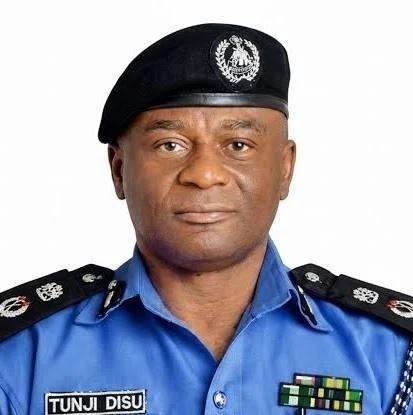
The Nigeria Police Force has clarified that the Inspector-General of Police, Olatunji Disu, is not opposed to members of the public filming police officers, emphasizing that his main concern is the misuse and exploitation of such recordings.
The clarification was made on Saturday by the Force New Media Officer, Aliyu Giwa, via a series of posts on X (formerly Twitter), following public debate over recent statements by the IGP regarding citizens recording police officers during duty encounters.
Giwa stated that the police chief’s stance had been misinterpreted, stressing that the force has no intention of shielding errant officers from public scrutiny or stripping citizens of their rights.
“The IGP’s concern is not to shield police officers from accountability or deny citizens their rights,” Giwa stated. “Instead, it focuses on the misuse of recordings, especially when officers are provoked, ridiculed, filmed for entertainment, or subjected to unnecessary intrusion while performing their duties.”
He emphasized the need to separate genuine attempts at civil oversight from social media clout-chasing, noting that legitimate recordings remain valuable for both the public and law enforcement.
“As a public institution, the police must remain open to legitimate scrutiny. Evidence is essential when an officer acts improperly. Similarly, responsible recording can protect officers from false allegations and support investigations,” Giwa explained, adding that wearing a uniform does not strip officers of their rights to privacy and dignity.
Addressing comments from members of the public advocating for the deployment of body-worn equipment, Giwa revealed that body cameras remain part of active discussions aimed at enhancing transparency. He called for constructive dialogue between citizens and the police, urging both sides to focus on mutual accountability rather than confrontation.
The debate stems from a recent courtesy visit by the leadership of the Nigerian Bar Association (NBA) to the Force Headquarters in Abuja, where the legality and boundaries of filming police operations were discussed.