By Elvira Jordan
Development experts and stakeholders have called for a people-centred energy transition in Nigeria, urging oil and gas companies to utilise the country’s vast natural gas reserves to improve electricity access while ensuring that energy is treated as a right rather than merely a commercial venture.
The call was made on Thursday, August 20, 2026, at a programme organised by Friedrich Ebert Stiftung (FES) in collaboration with Environmental Rights Action/Friends of the Earth Nigeria (ERA/FoEN) in Port Harcourt, Rivers State.
The programme, with the theme: “Who Controls Our Energy? Energy Access and Social Justice,” brought together development practitioners, environmental advocates and other stakeholders to examine energy inequality, ownership and the implications of Nigeria’s energy transition.
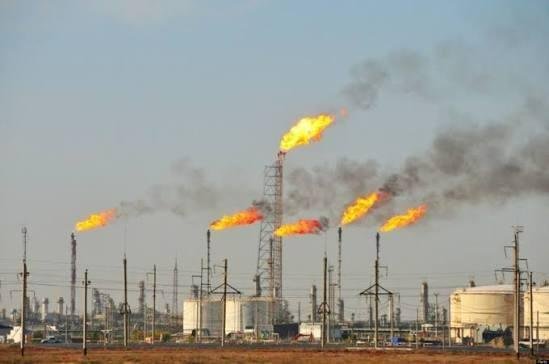
Speaking on “Mapping Our Reality – Energy: Access Inequality and Democracy,” the Executive Director of Policy Alert, Tijah Bolton, said Nigeria’s energy transition plans recognise natural gas as a transition fuel, but the country continues to waste significant quantities of the resource through gas flaring.
He noted that Nigeria has more than 215 trillion cubic feet (Tcf) of proven natural gas reserves and an estimated 600 Tcf of unproven reserves, making the country the largest holder of gas reserves in Africa and one of the largest globally.
According to him, Nigeria flared about 323 billion standard cubic feet of gas in 2025, representing a seven per cent increase from the previous year. He added that the value of the gas wasted through flaring was estimated at more than one billion dollars, equivalent to about two per cent of Nigeria’s annual budget.
Tijah argued that the wasted gas could instead be deployed to strengthen electricity generation and provide energy for households, small and medium-sized businesses, transportation and industries.
“Nigeria needs the energy that gas represents to power electricity into homes for domestic use, for SMEs, for transportation and to power industries. With a very low power target in Nigeria, we are practically throwing away the gas we need to power our economy,” he said.
He warned that gas flaring was not only an economic loss but also carried significant climate, environmental and public health consequences.
According to him, the energy transition debate should go beyond the volume of resources available to examine who controls energy resources and who makes decisions about their distribution.
Tijah said genuine energy democracy would require community ownership and participation, affordable energy pricing, consumer protection, transparent data, public financing, local manufacturing and employment, revenue sharing and affordability.
Energy Must Be Seen as a Tool for Development
Also speaking at the event, Executive Director of We The People, Ken Henshaw, examined the political economy of energy ownership, access and development in Nigeria, with particular emphasis on the challenges associated with the capture of energy resources and development.
Henshaw urged the government, regulatory agencies and investors to look beyond the commercial value of energy and recognise its broader importance to society.
He argued that energy provision should not be treated solely as a business venture but as a fundamental instrument for power, economic growth and social development.
According to him, decisions around energy ownership and distribution have direct consequences for the ability of communities and individuals to participate in economic development.
Energy-Producing Communities Suffer Poverty
Program Director of ERA/FoEN, Kentebe Ebiaridor, drew attention to the paradox of communities that produce energy resources but remain among those most affected by energy poverty.
He noted that many resource-producing communities have little control over the energy resources extracted from their territories and often do not enjoy adequate access to electricity.
Ebiaridor said a just energy transition must address this inequality by ensuring that the benefits and burdens of energy development are distributed fairly.
He stressed that the transition should be inclusive and ensure that nobody is left behind, regardless of gender, religion, race or socioeconomic status.
Representing Friedrich Ebert Stiftung, Chidie Ugwu said the meeting was designed to explore ways of moving Nigeria towards a more inclusive energy system.
Ugwu said the objective was to examine how control of the country’s energy resources could gradually move beyond state institutions, corporations and investors to a system that gives greater priority to citizens and communities.
The stakeholders maintained that Nigeria’s energy transition must be anchored on social justice, transparency, affordability and community participation, rather than being driven solely by corporate and government interests.
They called for stronger policies that would ensure Nigeria’s abundant energy resources translate into reliable and affordable power for citizens while supporting economic development and protecting communities and the environment.