By Sandra Kenneth
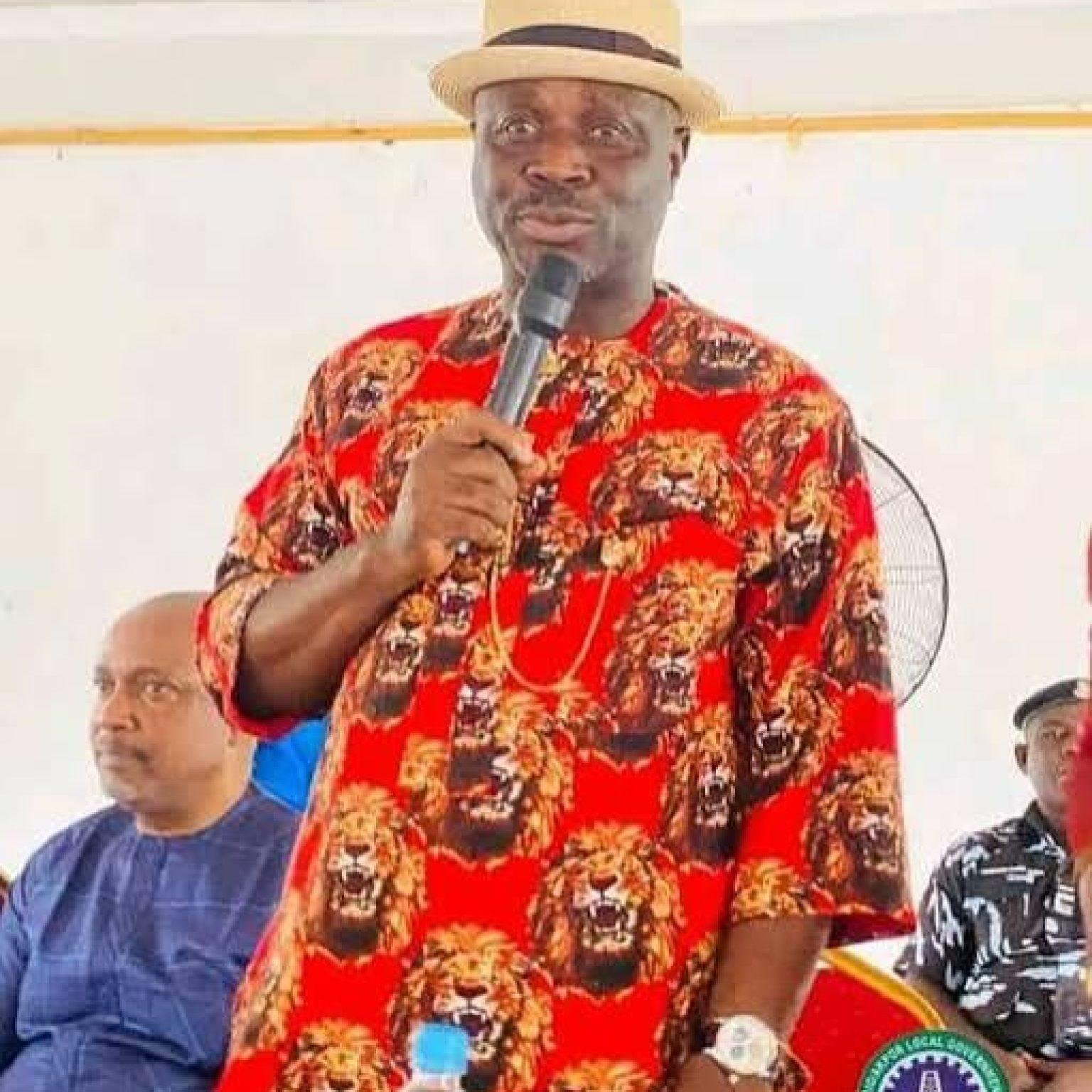
The Obio/Akpor Local Government Legislative Council in Rivers State has held a public hearing to deliberate on six new bye-law bills designed to strengthen governance, improve security, and boost local economic regulation.
The proposed legislation includes:
The Obio/Akpor Anti-Land Grabbing, Lawful Occupation and Development Regulation Bill, 2026
The Obio/Akpor Agency for Traffic Management Bill, 2026
The Obio/Akpor Tenement Rate Administration Bill, 2026
The Obio/Akpor Security Company Limited Bill, 2026
The Obio/Akpor Whistleblower Protection and Detection Bill, 2026
The Obio/Akpor Prohibition of Street Trading, Illegal Markets, Motor Parks, Roadside Mechanics, Vulcanizers and Related Offences Bill, 2026
Declaring the session open, the Leader of the Obio/Akpor Legislative Council, Hon. Rex-Millia Abuchi-Amadi, commended stakeholders for their active participation, describing their presence as a strong testament to democratic governance and civic engagement.
He urged participants to contribute constructively, assuring them that all memoranda, observations, and recommendations would be carefully reviewed to enrich the final draft of the laws prior to passage.
Representing the Executive Chairman of Obio/Akpor LGA, Hon. Gift Worlu, the Secretary to the Council, Kelvin Akani, underscored the strong working relationship between the executive and legislative arms. He expressed optimism that, once enacted, the bye-laws would foster transparency, enhance public accountability, and spur economic growth across the local council.
Stakeholders Raise Concerns Over Legal Alignment
During the interactive session, key transport sector representatives raised legal reservations regarding specific provisions of the proposed laws.
Speaking at the hearing, Tari Iyabe, representing the transportation industry, and Kingdom Johnson, representing motor park operators, argued that certain clauses conflict with the Constitution of the Federal Republic of Nigeria, warning that unaddressed contradictions could trigger avoidable legal battles.
The public hearing drew a broad cross-section of community leaders, traditional rulers, civil society organizations, professional bodies, youth groups, and security agencies, all seeking to shape the regulatory landscape of the local government area.