By Olusegun Samuel Precious
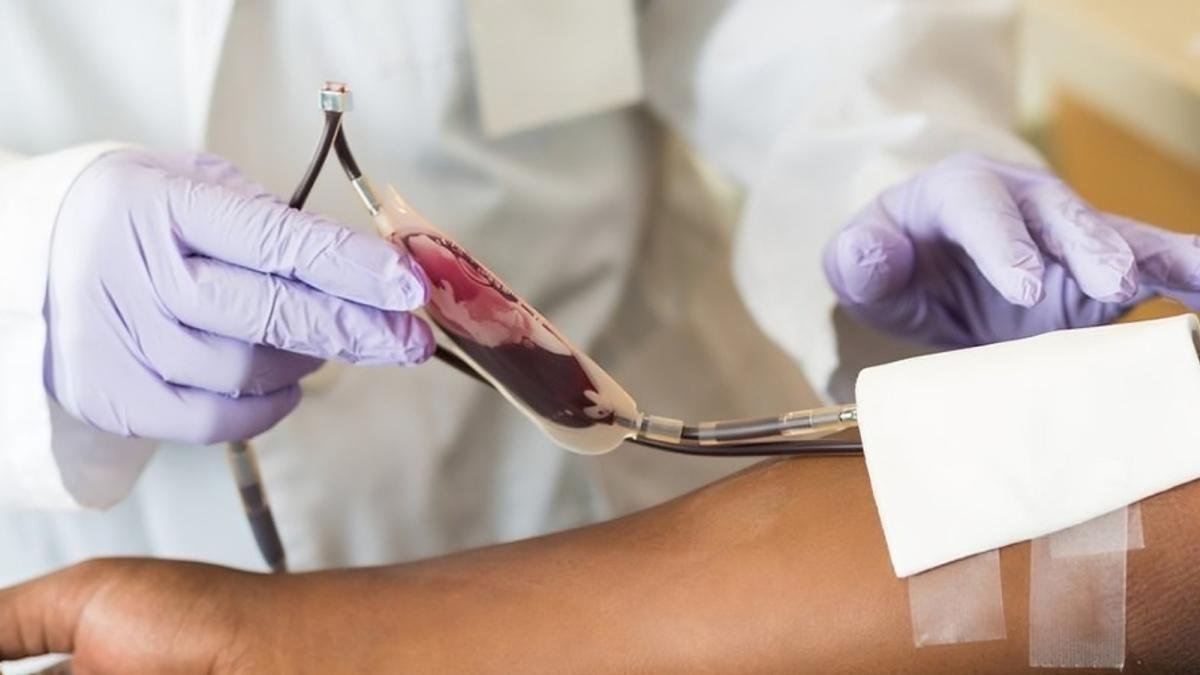
The Governing Body of Jehovah’s Witnesses has revised its long-standing position on blood transfusion, allowing individual members to decide whether to accept certain blood components based on personal conscience.
The change was announced on September 18, 2026, in a statement from the organisation’s World Headquarters in Warwick, New York, and published on its official website.
Under the revised position, Witnesses may personally decide whether to accept red blood cells, white blood cells, plasma or platelets from another person’s blood.
Members may also decide whether to donate blood specifically for its components or fractions to be used in another person.
The organisation said such decisions should be made individually before God, Jehovah, and that congregations should not interfere with or judge members over their choices.
However, Jehovah’s Witnesses said the change does not affect its core teaching against whole-blood transfusions.
In the statement, the organisation said its “long-standing refusal of whole-blood transfusions on religious grounds” remains unchanged, citing the biblical command to “abstain from blood.”
A spokesman, Paul Gillies, said blood remains sacred to Jehovah’s Witnesses, while decisions involving blood components are matters of conscience between individual members and their God.
The latest change follows another adjustment announced in March 2026, which allowed members to decide whether their own blood could be removed, stored and reinfused during medical procedures.
The new directive has sparked debate on social media in Nigeria and other parts of the world.
Some former members and critics questioned the impact of the previous position, particularly on people who died after refusing blood components.
Others described the development as a significant change in doctrine, while some former Witnesses argued that it does not go far enough because whole-blood transfusions remain prohibited.
Medical professionals and human rights advocates have also been reported as welcoming the change, saying it could expand treatment options while maintaining members’ freedom to make religious decisions.
The issue has received renewed attention in Nigeria following the December 2025 death of cancer patient Mensah Omolola, popularly known as AuntieEsther, who reportedly refused blood transfusion on religious grounds despite receiving more than 30 million naira in donations.