BY Sandra Kenneth
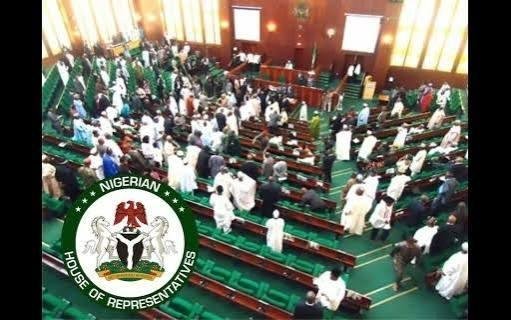
The House of Representatives Committee on Host Communities has appealed for a substantial increase in funding for the Hydrocarbon Pollution Remediation Project (HYPREP) to enable the agency to successfully execute and complete all outstanding remediation works in Ogoniland.
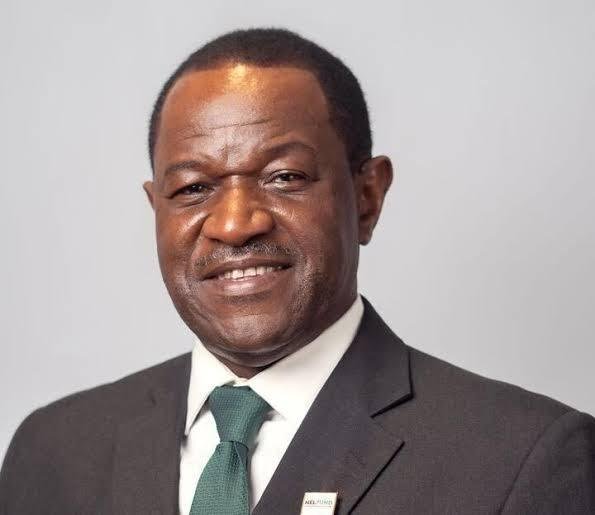
The appeal was made by the Committee Chairman, Dumnamene Dekor, while speaking with journalists following a comprehensive two-day oversight visit to various HYPREP project sites across Rivers State.
Dekor explained that the initial capital provided for the commencement of the initiative served primarily as a take-off grant, noting that project execution has already surpassed preliminary expectations with most inspected sites recording over 80 percent completion. However, he stressed that additional financial backing is critical for long-term sustainability, particularly for tackling highly complex pollution sites.
“Let us understand that for this project to be sustainable, and for even the cleanup and all of that to be completed, much more funding is needed,” Dekor stated. Calling on joint-venture partners and legacy operators—including the NNPC, Renaissance, and formerly Shell—to scale up their financial commitments, he added, “Those who polluted should come back to pay… If they brought a billion dollars before, we’d be asking for much more than a billion dollars.”
In addition to funding appeals, Dekor revealed that the committee has initiated a legislative bill—developed in collaboration with HYPREP, the Ministry of Environment, and key stakeholders—designed to replicate the remediation model in other oil-impacted communities throughout the Niger Delta region beyond the Ogoniland pilot scheme.
Providing an update on the agency’s current portfolio, the Project Coordinator of HYPREP, Prof. Nenibarini Zabbey, disclosed that the agency is managing over 120 project sites spanning multiple thematic interventions. These include environmental remediation, shoreline cleanup, the provision of potable water, healthcare facility upgrades, and youth and women empowerment programs.
Prof. Zabbey welcomed the lawmakers’ oversight visit, noting that it offered the committee direct insight into the scope of work on the ground and provided a reliable basis for future policy recommendations.