By Elvira Jordan
Women in oil-bearing communities are carrying the heaviest burden of environmental pollution, losing income, health and food security, while their stories remain largely untold.
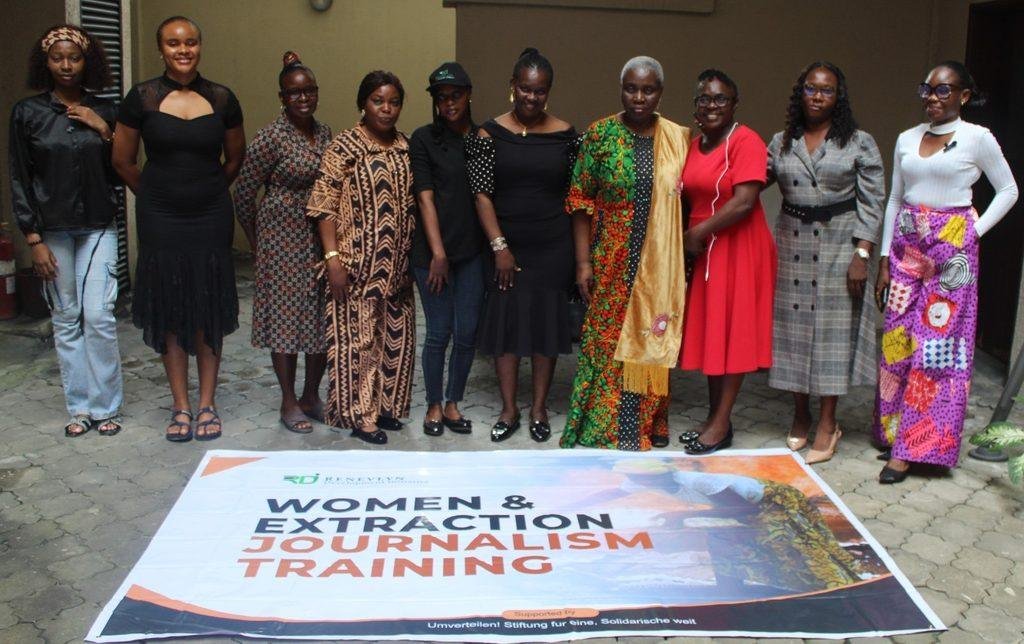
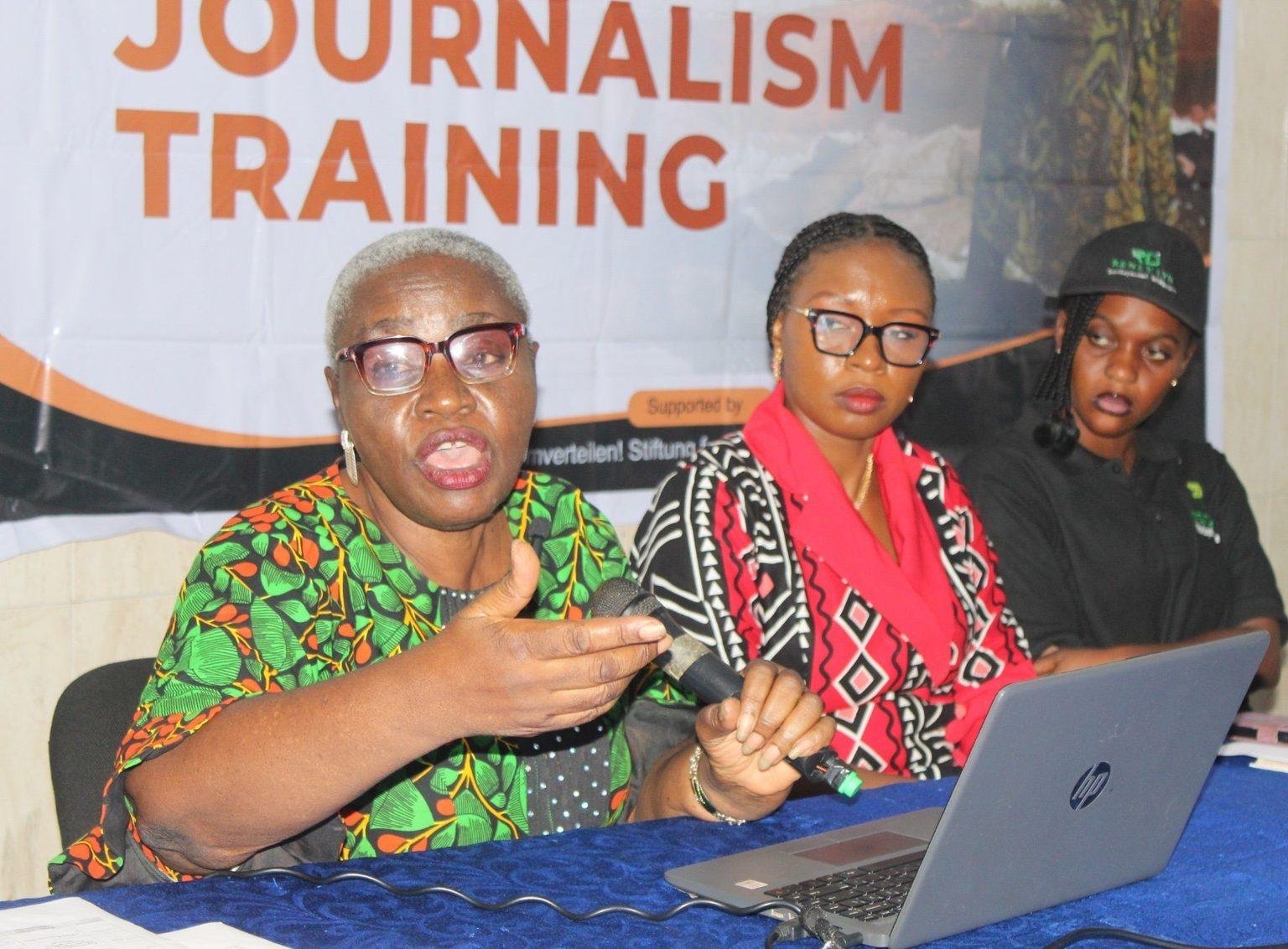
This was the focus of the Women and Extraction Journalism Training held in Port Harcourt, which brought together environmental experts, journalists and development advocates.
A resource person at the event and an Environmental Biochemist at the University of Port Harcourt, Dr. Chioma Joy Okonkwo, said oil extraction has triggered loss of biodiversity with direct impacts on women.
Dr. Okonkwo highlighted some under-reported angles waiting to be told by journalists: the invisible economy, the water burden, bodies as evidence, what happens after remediation, and women leading responses.
Also speaking, Chief Constance Meju, Director, Centre for Environment, Media and Development, said reporting extraction, climate change and women requires going beyond surface stories to expose what is missing.
She expanded on the need for investigative reporting as relates to the effects of climate change and environmental pollution.
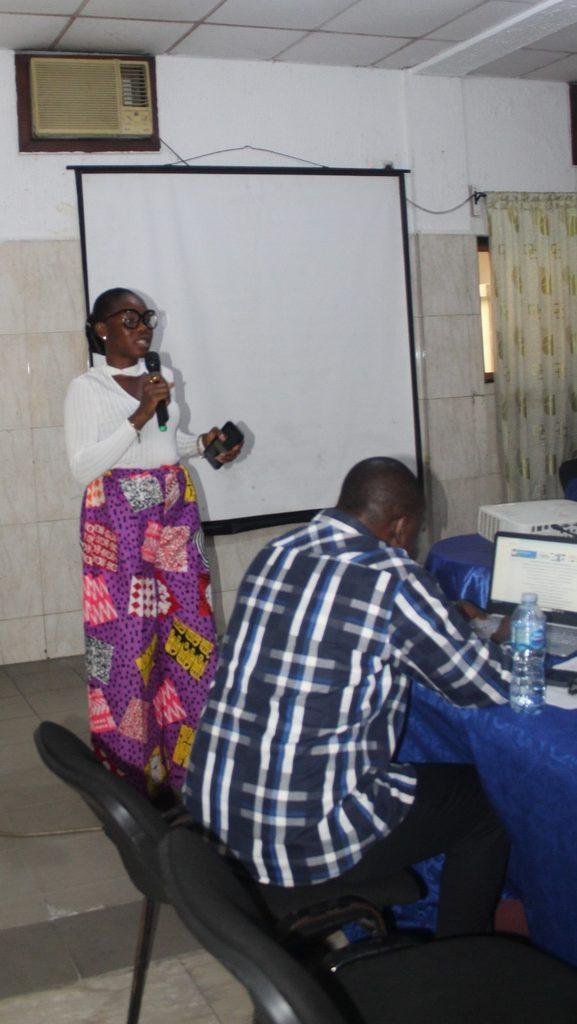
Exceed FM’s News Editor, Elvira Jordan, spoke on “A Field Reporter’s Diary,” sharing stories of communities, highlighting environmental impacts suffered by host communities and the adverse effects on women.
She emphasized the need for women journalists to report on the gender impacts of oil-induced environmental pollution, and to work with gender-based organizations and groups to bring justice to disadvantaged women.
Human Rights and International Development Professional, Rachel Greenwood, spoke on connecting women’s agitation with international instruments, stressing statutes and conventions on women’s rights in reporting.
On the role of the media, Project Officer of Renevlyn Development Initiative, Tracy Ohovwore said women experience extraction impacts differently because as caregivers and providers, they interact directly with land and water to sustain their families, and when those resources are polluted, they bear the consequences.
Participants called on journalists to centre women’s voices, follow the money in remediation projects, and use data and human stories to drive accountability in oil-producing communities.