By Elvira Jordan
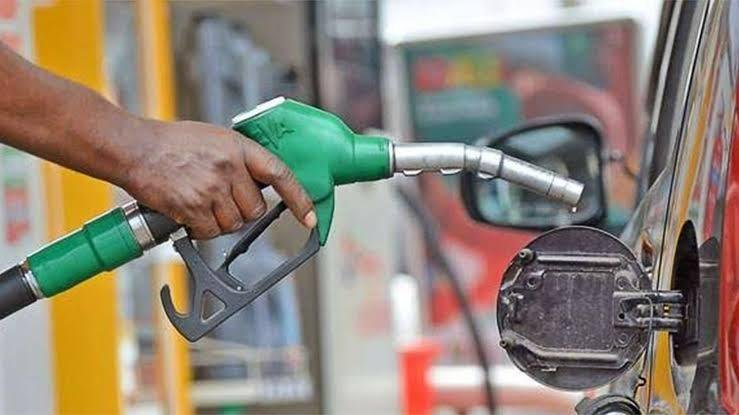
Residents of Port Harcourt have expressed concern over the continued increase in the price of premium motor spirit, popularly called petrol, saying the development has made daily living increasingly difficult.
Speaking to Exceed FM, residents said the rising cost of petrol has triggered higher transportation fares and increased the prices of essential commodities.
Some of those interviewed said their incomes have remained largely unchanged despite the rising cost of goods and services, making it difficult for them to cope with the current economic realities.
The respondents had this to say: “When fuel was cheap, traveling was very easy and cheap. But now that fuel is over #1000, it makes things very difficult. When you look at the distance of the increment, it is too much. It is making society difficult.”
“Fuel increment has affected me a lot. Where I used to pay #200 as transportation is now #500. After paying transport fare from my salary, nothing is left for me. The government really needs to help us,” another Port Harcourt resident added.
Another responded said: “The fuel increment is affecting everybody, apart from the top politicians that are benefitting from it. It has increased transportation and the cost of living at an exorbitant rate. The livelihood of people has been greatly affected.”
“The fuel increment did not just affect transportation, it also affected school fees because it also affects the teacher’s welfare. It has affected all aspects of life.”
Commercial drivers also lamented the situation, saying the rising cost of petrol has increased their operating expenses and forced up transportation fares.
They noted that many commuters are struggling to afford the higher fares, making movement around the city increasingly difficult.
Some of the commercial drivers lamented the situation in an interview with Exceed FM: “Some weeks back we were buying fuel for #1200, it suddenly went up to #1400. Some filling stations sell for #1480. This has affected commercial drivers. To execute services for our customers is very hard at this time. We are keeping our prices at a random rate until we see how the price will be.”
“Me that is buying fuel as a driver is angry, talk more of passengers. Passengers are complaining, especially those who are doing salary work. When you calculate your transport compared to what they pay at the end of the month, nothing is left. They should do something about the fuel price. It is affecting all of us,” another driver stated.
The residents called on the government to introduce palliative measures and other interventions to ease the impact of rising petrol prices and reduce the burden on low-income households.
You will recall that President Bola Tinubu had assured that the introduction of CNG buses across the country from 1 October would reduce transportation costs. But it is not certain if the governors would heed the directive as no such measures are seen within a few days to the deadline.