By Sandra Kenneth
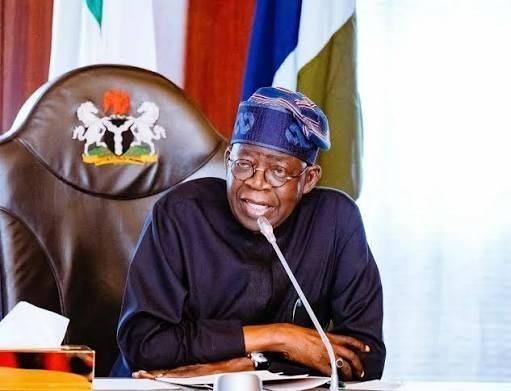
President Bola Tinubu has reaffirmed his administration’s commitment to transforming Nigeria into a $1 trillion economy by 2030, maintaining that ongoing structural reforms are building a resilient foundation for long-term growth despite current economic headwinds.
Speaking at the second edition of the Asiwaju Scorecard Series and Policy Roundtable in Abuja, the President—represented by the National Chairman of the All-Progressives Congress (APC), Prof. Nentawe Yilwatda—emphasized that painful policy decisions were unavoidable to prevent economic collapse.
Key Economic Indicators Cited
The administration highlighted several macroeconomic benchmarks to demonstrate positive momentum:
Gross External Reserves: Increased to approximately $52.7 billion as of August 2026.
Non-Oil Revenue: Reached ₦16.4 trillion within the first two quarters of 2026, up from ₦13.63 trillion in 2023.
Trade Balance: Achieved a merchandise trade surplus of roughly ₦7.54 trillion in Q1 2026, compared to ₦44.8 billion for all of 2023.
GDP Growth & Inflation: Real GDP expanded by 4.43% in Q2 2026, while inflation moderated to roughly 15.4%.
“Macroeconomic stability is not the destination; it is the foundation,” Tinubu stated via his representative, acknowledging that the ultimate metric of success remains improved living standards, lower food costs, job creation, and enhanced purchasing power for ordinary citizens.
Infrastructure and Regional Logistics Vision
Central to the $1 trillion target is an ambitious infrastructure overhaul aimed at turning Nigeria into West and Central Africa’s primary maritime hub. Key priorities under the Renewed Hope Agenda include:
Five-Port Maritime Corridor: Modernizing and connecting deep-sea ports in Lagos, Ondo, Ibom, Port Harcourt, and Calabar.
Transit Spines: Integrating coastal and inland networks using the Lagos-Calabar Coastal Super Highway, primary rail corridors, and key arterial routes.
Inland Trade Routes: Extending transit infrastructure northward to link coastlines directly to West African and Sahelian markets.
While acknowledging the hardship experienced by households since the removal of the petrol subsidy and foreign exchange unification in May 2023, the Presidency maintained that these structural adjustments remain vital to shifting the nation away from persistent fiscal vulnerability toward sustained prosperity.